
Sustainable Fabric Innovation: A Guide to Certifications and Sourcing Standards
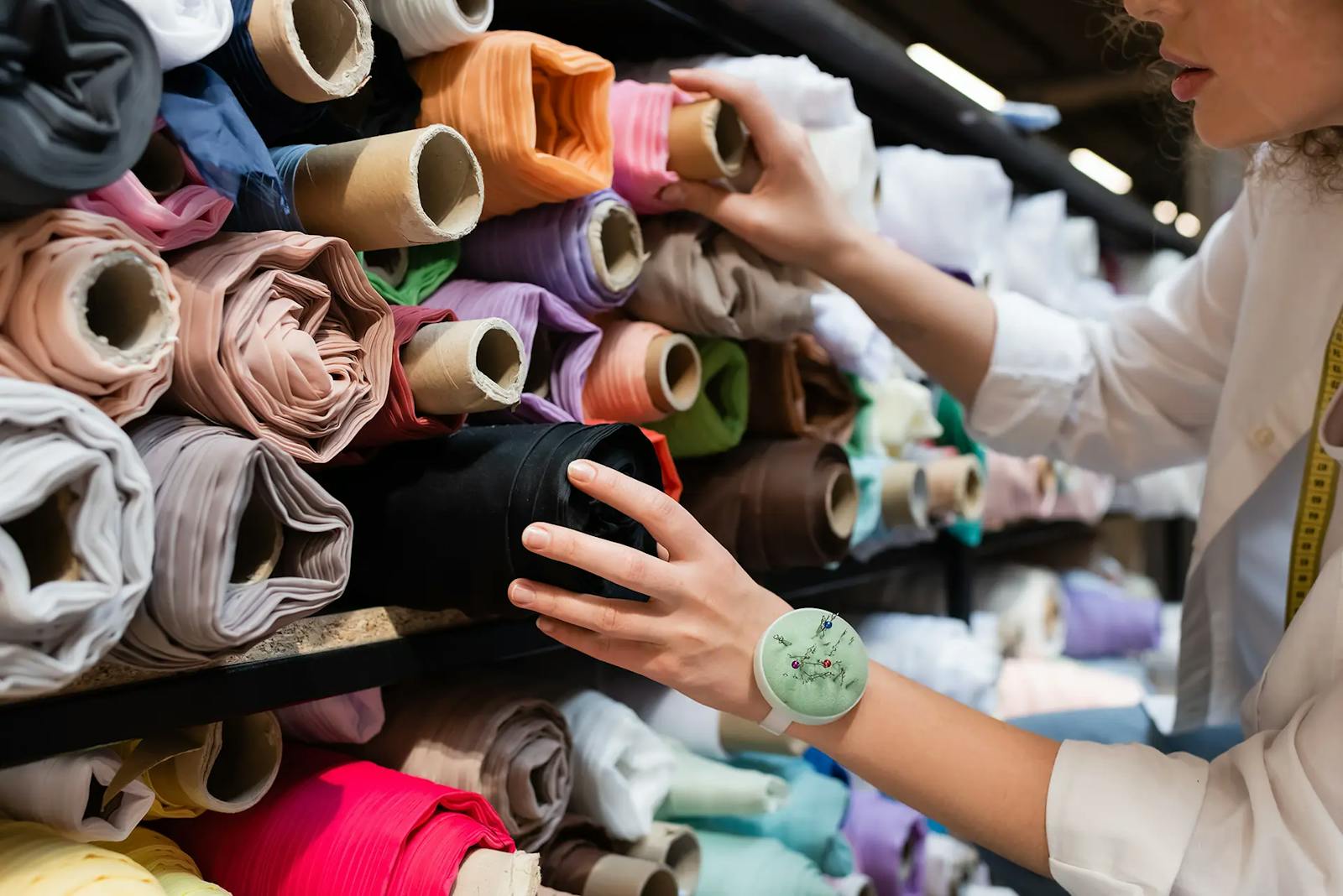
Choosing between Colorful Fabric Rolls on Shelves of Textile Shop
What truly defines sustainable fabric innovation today? It is the intersection of certified materials and audited supply chains. This article breaks down the essential sourcing standards—from GRS and GOTS to OEKO-TEX—that help brands verify their environmental claims and ensure regulatory-ready product design.
What Makes a Fabric Truly Sustainable
When you look at a fabric from a sourcing desk, sustainable has an explicit meaning.
For B2B buyers, sustainable fabrics and sustainable textiles are made from renewable or recycled raw materials, as well as processed under environmental and social controls.
- Mills must manage water, energy, and chemicals. They should use restricted-substance lists and OEKO-TEX STANDARD 100 to prove that harmful chemicals are below limits.
- Certifications, including Global Recycled Standard (GRS), validate recycled content and chain-of-custody so that claims might be traced back through every tier.
- Meanwhile, standards, including GOTS, connect fiber choices with requirements on wastewater, toxic inputs, and labor rights across the complete value chain.
Every step from fiber to finishing must be traceable and audited for a fabric to be sustainable.
For brands, sustainable textiles are now a compliance decision as much as a design one.
- The EU Green Deal and its textile strategy urge makers to use circular design, take more responsibility for their products, and create systems that generate less waste. The new Waste Framework Directive, which needs EPR solutions for textiles, makes it stronger.
- ESG rules and reporting frameworks, including CSRD and GRI-aligned standards, need detailed data on climate, water, and social performance instead of soft claims.
Suppose your supply base can prove that they use sustainable fabrics with GRS, OEKO-TEX, or GOTS and that they can track them from start to finish. In that case, you lower the environmental impact per style, as well as regulatory and reputational risk. That evidence helps keep the brand value high with regulators, retailers, and investors throughout time. It also helps sourcing teams confirm that assortments are future-proof instead of having to fix non-compliant products later.
Popular Types of Sustainable Fabrics
Natural & Organic Fibers: Organic cotton, hemp, linen
Natural and organic fibers are key to sustainable fabrics strategies for daily product lines.
- Organic cotton is grown with lower synthetic pesticide use and water demand. That supports soil structure and biodiversity over multiple harvest cycles.
- At the same time, hemp grows quickly, demands relatively little input, and has strong bast fibers that remain stable in mixes for denim, jerseys, and canvas.
- Linen from flax brings high breathability, moisture management, and durability. It uses little irrigation and agrochemicals and is fully biodegradable at the end of life.
Designers benefit from hand-feel and temperature regulation from such fiber families. They help brands record low-input agriculture and compostable end-of-life choices for sustainable textiles.
Recycled & Regenerated Fibers: Recycled polyester, recycled nylon
The performance-driven sustainable fabrics, employed in outdoor and sporting lines, are made from recycled synthetics. No doubt, these are the workhorses behind these materials.
- Recycled polyester converts post-consumer or industrial waste (bottles or textile scraps) into new yarns. It uses less petroleum, energy, and carbon than virgin polymer. Remember, studies indicate that utilizing recycled polyester instead of virgin polyester may decrease CO₂ emissions by 60% and energy usage in fiber manufacturing by 30-50%
- Recycled nylon reclaims fishing nets, carpets, and polyamide waste. Some systems regenerate the polymer, and it can be recycled many times without harming its strength.
Such fibers deliver high abrasion resistance, stretch recovery, and shape retention. It keeps garments in use longer and boosts life-cycle impact per wear. That durability, as well as credible recycling data, helps brands show regulators that their sustainable textiles programs are moving real volume from linear take-make-waste models into measurable circular flows.
Next-Generation Fibers: Lyocell (Tencel), bamboo, bio-based materials
The next-generation fibers are at the confluence of comfort, chemistry, and regulation. Not only that, but they are important for future sustainable fabrics roadmaps.
- Lyocell, including TENCEL-branded versions, uses a closed-loop solvent system. The process recovers over 99% of the amine oxide and process water. Also, it yields fibers with moisture-wicking, drape, and high tensile strength for premium knits and wovens.
- Bamboo-based cellulosics can offer soft hand-feel and thermoregulation. That's when they move from older viscose chemistries to controlled, lower-toxicity processing routes.
- Bio-based synthetics (PLA and PHA) benefit performance T-shirts, socks, and medical textiles. They combine partial or full biodegradability with tunable strength and elasticity.
Remember, for sourcing teams, these new ideas add to the list of sustainable textiles that feel high-end, exceed moisture-management and durability standards, and support tighter environmental disclosures around fossil feedstocks and chemical use.

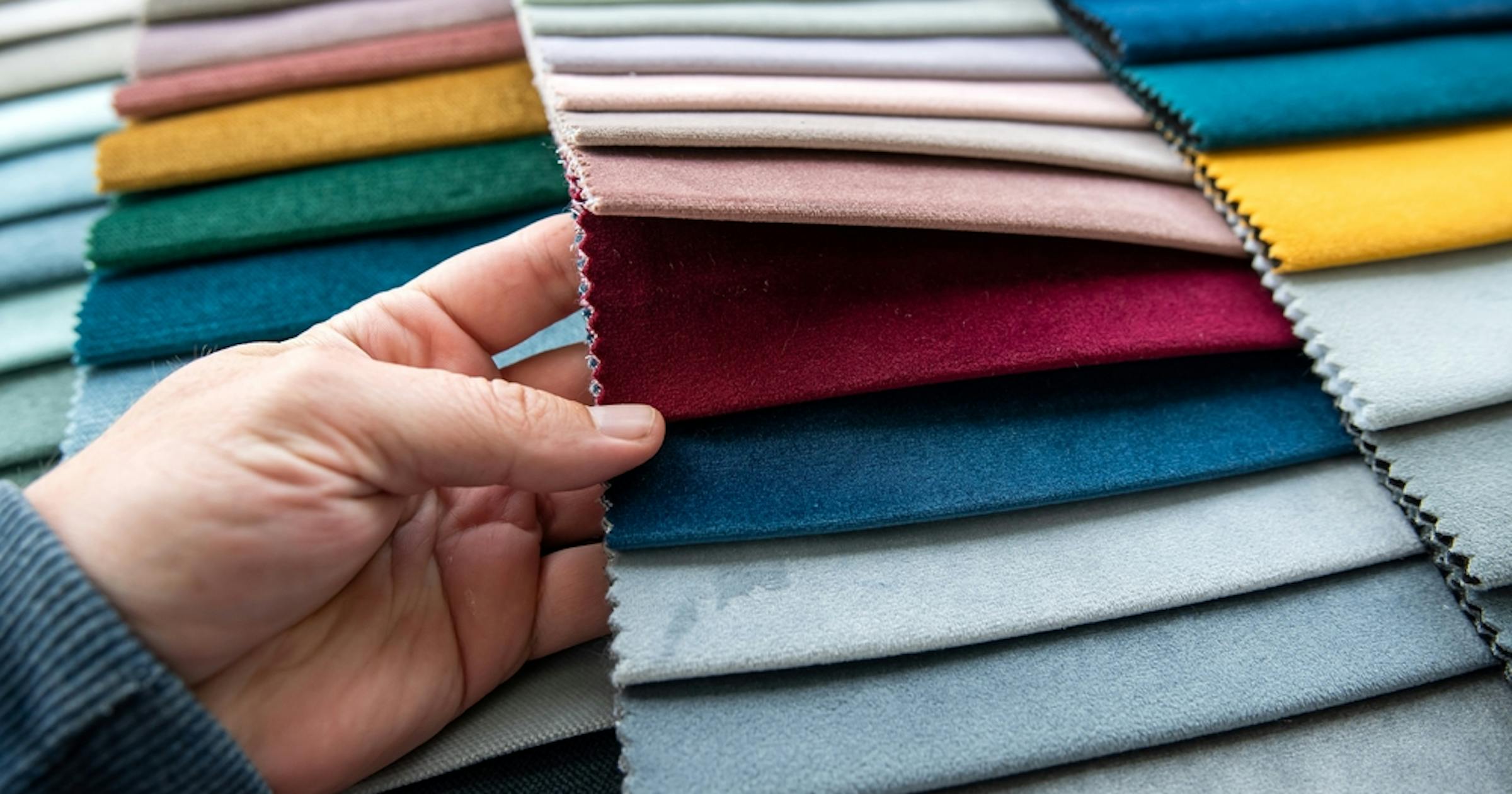
Fashion Designers Fold Textiles while Working on New Seasonal Collections
How Technology and Innovation Define Sustainable Textiles
Innovation Starts at Material Design
Sustainability starts at the molecular level. Fiber engineers tune polymer structure, cross-linking, and additives for lower resource use and emissions over a product's full life. Digital simulation and LCA tools help teams screen options and design sustainable textiles for target strength, stretch, and breathability with decreased energy and processing steps. After that, yarn-spinning lines integrate real-time sensors and AI controls. So, sustainable fabrics come off the machines with tight quality windows and lower defect rates, which decreases waste and stabilizes cost.
Circular and Bio-Based Inputs in Modern Mills
Mills now process recycled polymers, regenerated cellulosics, and bio-based building blocks. Clean, spec-grade chips or pulp are recycled mechanically and chemically for extrusion and spinning. Bio-based intermediates from fermentation or biomass refining replace fossil inputs. That blend lets sustainable textiles reach pilling resistance or color fastness and keep fiber recipes compatible with future recycling. For sourcing teams, such systems generate auditable data trails that let them specify sustainable fabrics by input type, batch, and process route.
Advanced Processes Set the New Benchmark
Currently, process innovation is the differentiator in scalable and low-impact manufacturing. For example, dope-dyeing and supercritical CO₂ or foam-based dye systems inject color with far less water and heat than traditional exhaust dyeing. Note that independent life cycle assessments of waterless CO₂ dyeing lines show that they release around 58% less greenhouse gases.
Similarly, precision weaving, knitting, and 3D construction reduce offcut waste at the pattern level. Enzymatic treatments and plasma surface modification replace harsher wet finishing chemistry. Thus, mills can lower COD loads and simplify effluent treatment without harming handling or performance. Such technologies enable sustainable fabrics to last in demanding end uses like outdoor gear and corporate uniforms. Further, they provide brands a believable message about sustainable textiles for impact reduction and industrial-scale reproducibility.
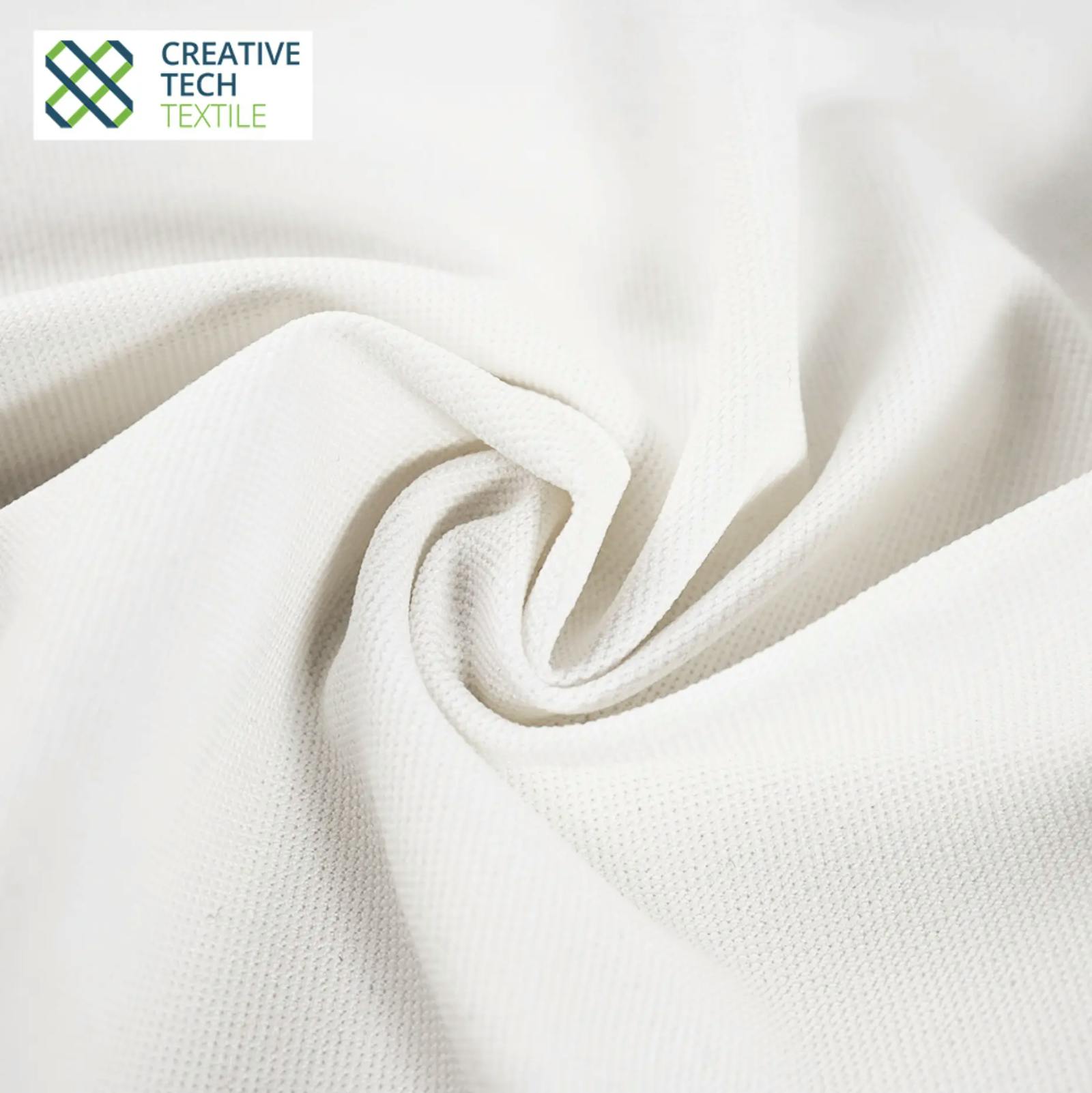
Circular Innovation in Action — Seawool
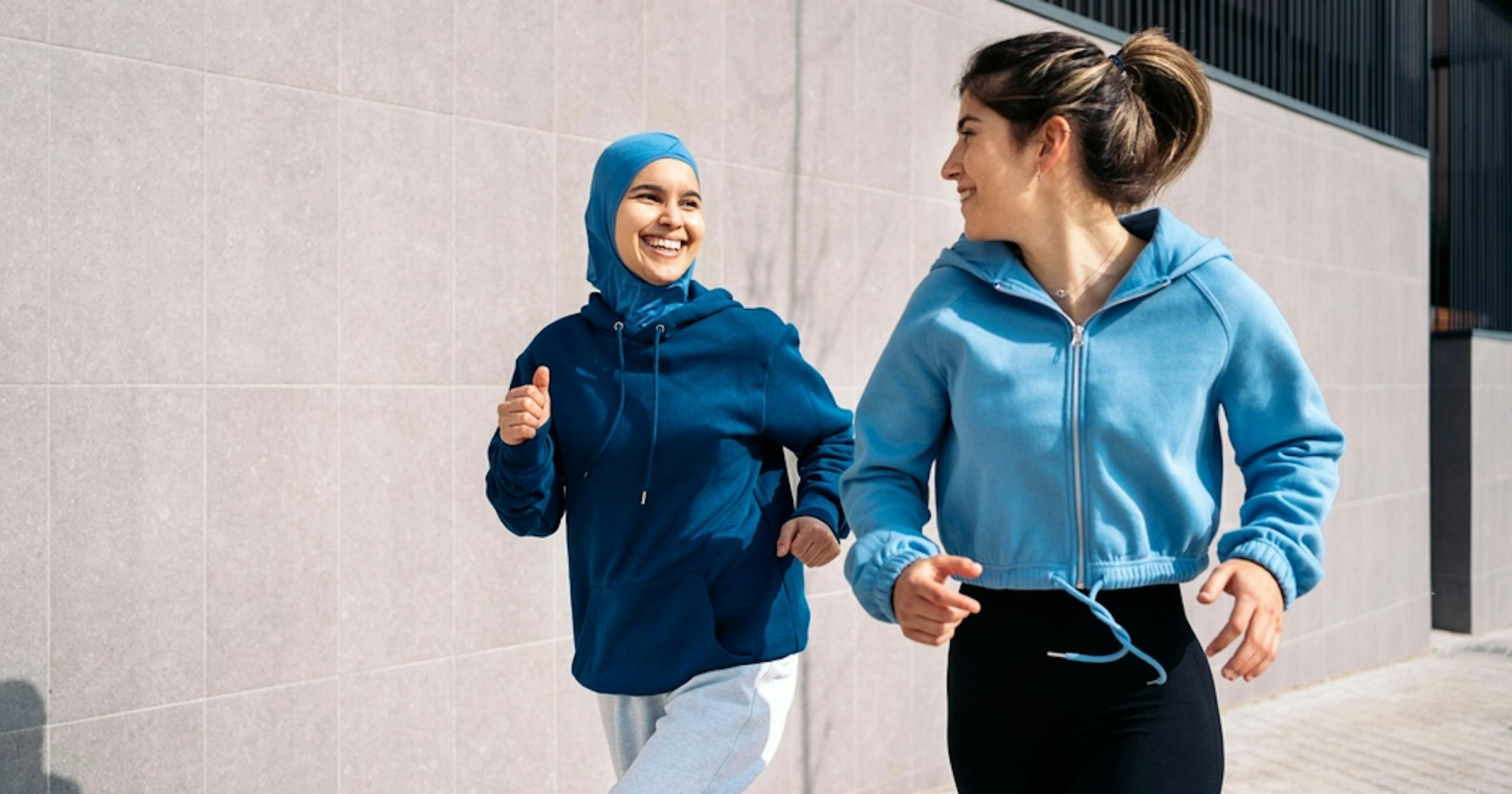
We make soft, wool-like, ocean-smart Seawool® from oyster shells and recycled PET (RePET). It provides warmth, odor control, UV protection, moisture management, and quick-drying comfort with the least thermal conductivity. Our circular chain includes oyster farming, shell gathering, and RePET marine-waste upcycling. On the other hand, the Higg FEM-measured manufacturing decreases water consumption and carbon emissions (80%). While creating Seawool® for athletics, uniforms, and home textiles, we provide brands an ESG narrative that fits their sustainable fabrics roadmap. So, global sourcing teams may see how Seawool® makes ocean-positive, economically scalable, and performance-driven sustainable textiles.
ESG, circular design, and low-impact sourcing can be realized in fabric innovation with Creative Tech Textile, a sustainable textile pioneer. Discover the vision and collaborate now.
Oyster Tech Knowledge
Understanding the culture, science,
and future of oyster textiles.

In the Media
Stories in Every Shell
Every year, over 160,000 tons of oyster shells are discarded along coastlines, while the textile industry faces growing pressure to address waste and sustainability. Seawool® transforms this challenge into opportunity—upcycling oyster shells and recycled plastics (RePET) into high-performance fibers.
Through wider media coverage, we hope to spark conversations and inspire a shared vision: transforming waste into resources, for people and for the planet.
For interviews, press images, or technical background, please contact: info@creativetechtextile.com
