
Odor Resistant & Control Fabrics: How Innovation Keeps Clothing Fresh and Sustainable

Preface:
From activewear to everyday essentials, odor control has become a defining feature of modern textiles. Understanding why fabrics smell—and how innovative, sustainable technologies prevent it—reveals how next-generation materials are reshaping comfort, performance, and responsible apparel design.
Introduction — Why Fabric Matters in Activewear and Sportswear
Odor-resistant fabrics are textiles treated or engineered to inhibit the growth of odor-causing bacteria and neutralize volatile compounds, ensuring garments stay fresh during prolonged use. Whether you're designing high-performance gym leggings, breathable running tops, or durable yoga wear, the right activewear fabric determines how well a garment supports movement, regulates temperature, and withstands intense workouts.
Modern athletes expect clothing that moves with them, stays dry, and remains comfortable. Furthermore, the industry is shifting toward Sustainable Sportswear Fabrics, where performance meets environmental responsibility through innovations like recycled oyster shells and plastic bottles.
The Science Behind Odor Control: Why Fabrics Smell
Many people assume sweat causes odor—but sweat itself is nearly odorless. The real culprit is bacteria living on the skin. When bacteria break down perspiration and body oils, they release volatile compounds that produce unpleasant smells.
Why Synthetic Fabrics Hold More Odor
Synthetic fibers such as polyester and nylon are hydrophobic, meaning they repel water but attract oils. This causes sebum and bacteria to cling tightly to the fibers, making synthetic sportswear more prone to long-lasting odor.
According to research from the American Society for Microbiology, polyester retains significantly more odor than cotton due to its chemical structure and affinity for oils.
Moisture-Wicking Isn’t Odor Control
Traditional moisture-wicking fabrics help keep athletes dry, but they do not stop bacterial growth. In fact, spreading sweat across a garment can sometimes accelerate bacterial activity. This is why today’s performance wear increasingly relies on odor resistant fabric innovations to stay fresh.
How Odor Resistant Fabric Technology Works
Odor control fabrics use targeted technologies to reduce, block, or neutralize odor before it becomes noticeable. These innovations interrupt the biological process that turns sweat into odor, keeping garments fresher for longer. Modern odor resistant fabric solutions fall into three main categories:
Antibacterial Technologies
These treatments work by slowing or stopping bacterial growth directly on the fabric. Without bacteria breaking down sweat, odor cannot form as quickly. Antibacterial finishes may use silver ions, natural minerals, or bio-based compounds. They are especially effective in activewear and uniforms that undergo repeated, high-intensity use.
Odor-Blocking Technologies
Odor-blocking fabrics prevent odor molecules from binding to the fibers. This creates a protective barrier that reduces the amount of smell a garment absorbs during wear. Because synthetics tend to cling to oils, odor-blocking solutions help counteract this natural tendency and maintain freshness in polyester-rich textiles.
Odor-Neutralizing Technologies
Instead of blocking or preventing odor, these technologies dismantle it. Odor-neutralizing treatments break down or convert odor-causing molecules into non-odorous forms. This can occur through catalytic reactions, natural minerals such as zeolites, or engineered chemical processes. The result is long-lasting freshness without relying heavily on antibacterial agents.
Next-Generation Odor Control Fabrics: Seawool®
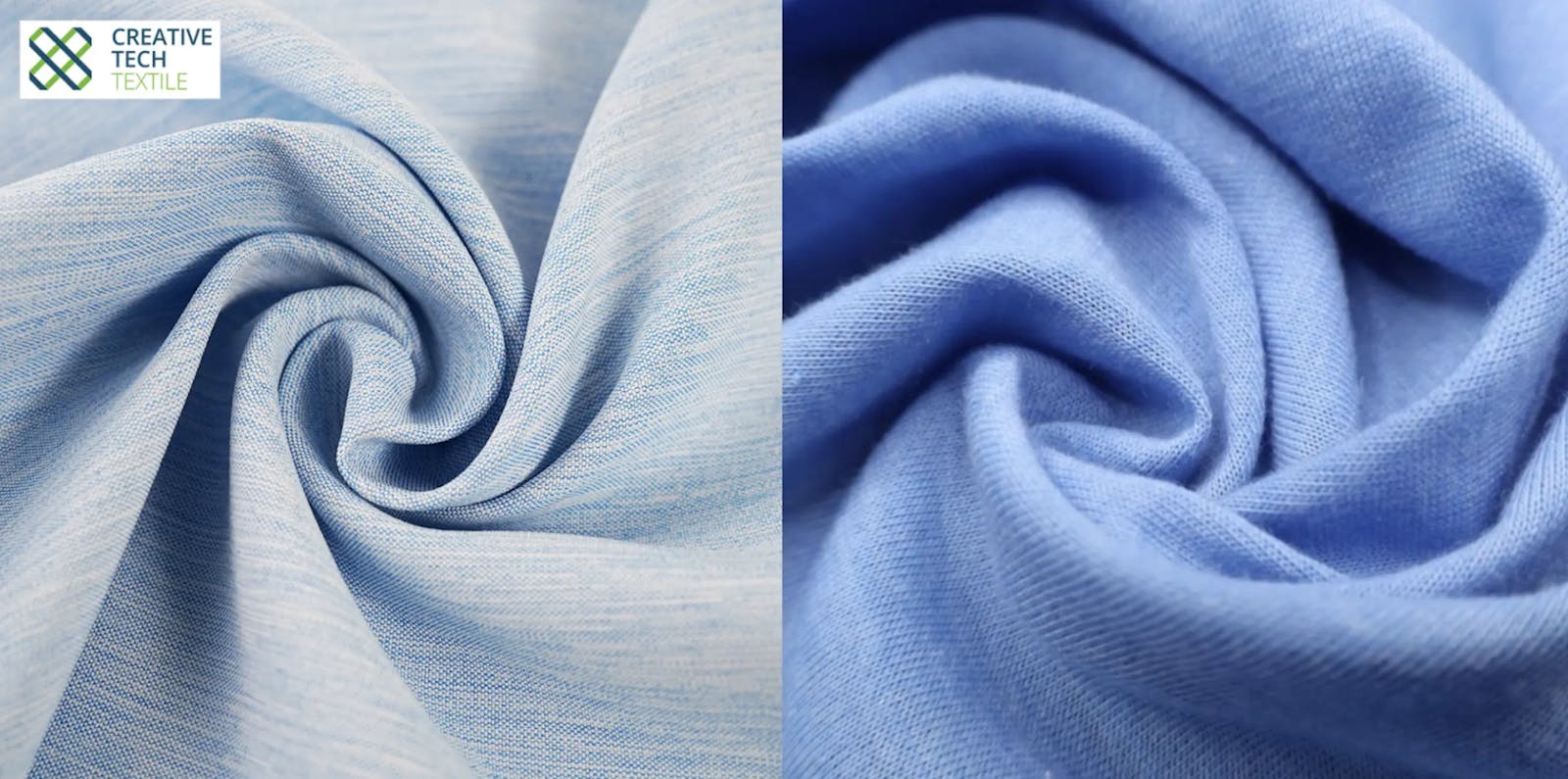
As brands seek cleaner, safer, and more sustainable ways to manage fabric odor, Seawool® has emerged as a breakthrough solution.
Inherent, Chemical-Free Odor Control (Natural Calcium Carbonate)
One of the primary concerns for B2B buyers is the "wash-out" rate of antimicrobial coatings. Seawool solves this through its molecular structure:
- Natural Mineral Power: Oyster shells contain calcium carbonate, a naturally antibacterial and deodorizing mineral.
- Permanent Performance: Because the minerals are embedded within the fiber itself, Seawool provides inherent odor control that does not wash away, regardless of how many times the garment is laundered.
- Eco-Friendly Safety: This chemical-free approach ensures that no harmful biocides leach into the skin or the water supply, meeting the strictest sustainability and safety standards.
Recycled and Natural Ingredients from the Ocean
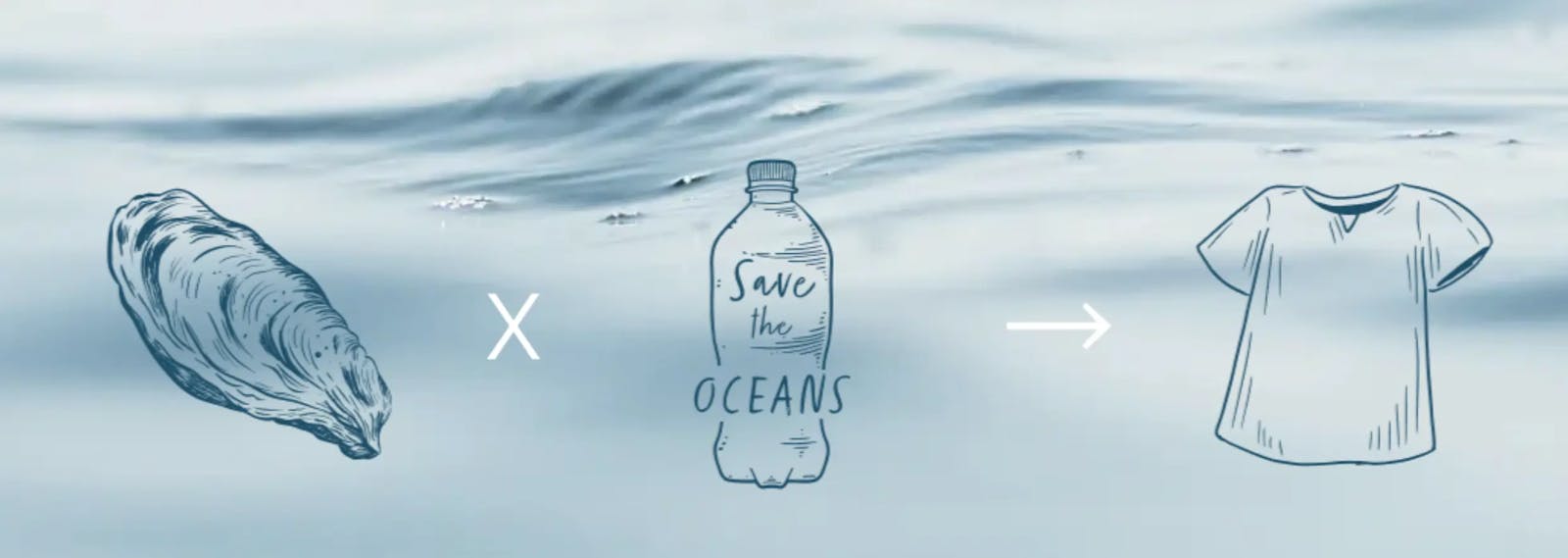
Developed in Taiwan, Seawool® is made from:
- Recycled oyster shell powder
- Recycled PET bottles
This unique combination turns discarded marine waste into a functional performance textile, supporting regeneration and circular design principles.
Built-In Odor Control from Natural Calcium Carbonate
Oyster shells contain calcium carbonate, a naturally antibacterial and deodorizing mineral. When transformed into fiber, this mineral gives Seawool® inherent odor-resistant properties—without synthetic chemical additives. This makes it a safer and more environmentally responsible alternative to coated or chemically treated fabrics.
Comfort Comparable to Merino Wool
Beyond odor control, Seawool® offers:
- Softness similar to Merino wool
- Moisture-wicking performance
- Breathability and thermal insulation
- UV protection
- Quick-drying and lightweight comfort
- Built-in bacterial control to help maintain freshness during extended wear
These features make Seawool® ideal for:
- Sportswear
- Outdoor apparel
- Knitwear
- Corporate uniforms
- Everyday performance lifestyle wear
Low-Carbon, Circular Production
The upcycling process behind Seawool® significantly reduces waste and energy consumption. By incorporating recycled ocean materials, Seawool® helps reduce landfill burden while lowering the carbon footprint commonly associated with performance textiles.
Oyster Tech Knowledge
Understanding the culture, science,
and future of oyster textiles.

In the Media
Stories in Every Shell
Every year, over 160,000 tons of oyster shells are discarded along coastlines, while the textile industry faces growing pressure to address waste and sustainability. Seawool® transforms this challenge into opportunity—upcycling oyster shells and recycled plastics (RePET) into high-performance fibers.
Through wider media coverage, we hope to spark conversations and inspire a shared vision: transforming waste into resources, for people and for the planet.
For interviews, press images, or technical background, please contact: info@creativetechtextile.com
